Most homeowners have never heard of an F10 Notification — until someone from the HSE asks where it is.
If you’re planning a home renovation, extension, or conversion, this one piece of paperwork could be the difference between being compliant and in breach of the law.

What an F10 Is
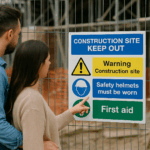
An F10 Notification tells the Health and Safety Executive (HSE) that construction work is taking place on your property.
It’s required under the CDM 2015 Regulations when a project meets certain thresholds — and it’s the client’s (your) duty to make sure it’s submitted.
When You Need to Submit an F10
You must notify the HSE if your project:
Lasts longer than 30 working days and has more than 20 workers on site at any one time, or
Exceeds 500 person-days of work in total
If either applies, your builder (or principal contractor) should submit the F10 — but you must make sure it’s actually done.
Why It Matters
Skipping an F10 isn’t a small mistake.
If there’s an accident or inspection, and your project should’ve been notified but wasn’t, you as the homeowner can still be held responsible.
It also raises a red flag that your builder isn’t managing compliance properly — a classic rogue builder move.
How to Stay on the Right Side
✅ Ask your builder to confirm whether the job is notifiable
✅ Request a copy of the submitted F10 (it’s a simple PDF from the HSE)
✅ Keep it on file with your other project paperwork
✅ Use Check A Builder’s F10 Calculator to double-check your project’s status before work begins
Bottom Line
Don’t assume “it’s only a small job” means you’re exempt.
The F10 is there to make sure safety and responsibility are clear from day one — and failing to file it can land you in serious trouble.
When in doubt, check. Because compliance isn’t optional — it’s the law.
Subscribe to Our Newsletter
Keep in touch with our news & offers