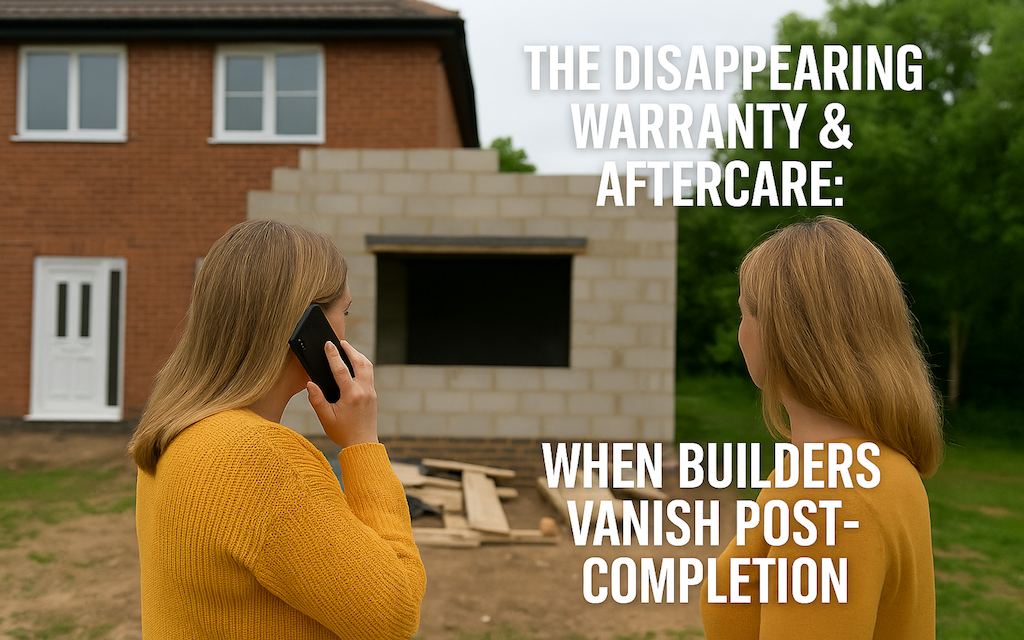
Most homeowners start a project thinking, “It’s fine — it’s only a small extension.”
Then the council gets involved, and suddenly you’re in breach of planning laws.
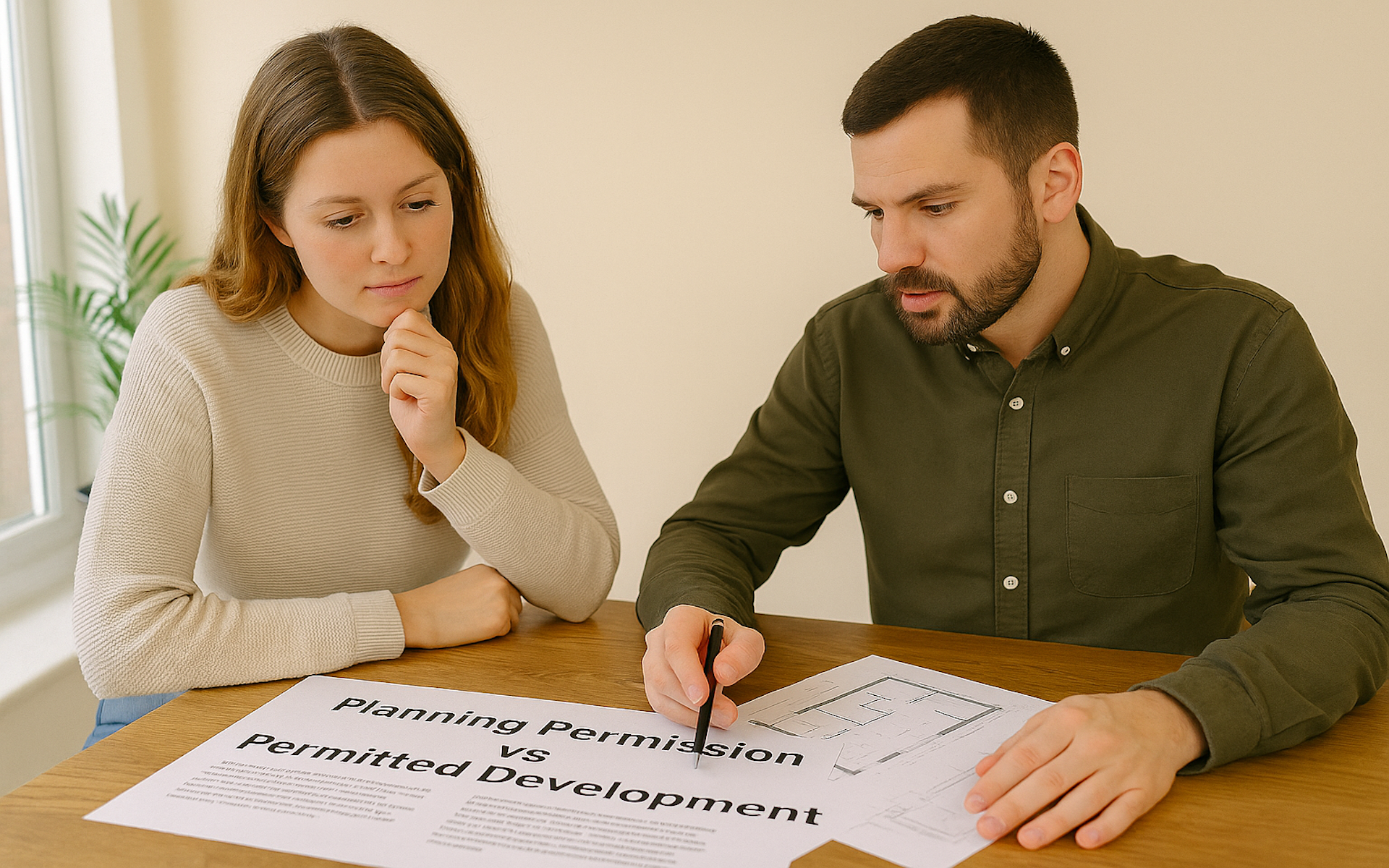
Knowing the difference between Planning Permission and Permitted Development can save you thousands — and a major headache later.
Planning Permission – When You Need It
Planning permission is formal approval from your local authority for building work that changes your property’s appearance, use, or scale.
You’ll usually need it for:
Large extensions or loft conversions
Flats or new dwellings
Major changes to windows, roofs, or structure
Building in conservation areas or on listed properties
If your work changes how the property looks or impacts neighbours, it probably needs permission.
Skip it, and you could face:
Enforcement notices
Fines
Orders to tear the work down
Permitted Development – What You Can Do Without Permission
Permitted Development (PD) rights allow certain works without needing full planning approval — as long as you follow strict rules.
Typical PD work includes:
Small rear extensions or porches
Loft conversions within height and volume limits
Outbuildings or garden offices below a set size
Replacing windows and doors like-for-like
But beware — the limits are exact. If you exceed them by even a few centimetres, it’s no longer PD.
The Smart Move
✅ Always check before you start. Use the government’s Planning Portal or speak to your local council.
✅ Get written confirmation — a “Lawful Development Certificate” proves your build was within the rules.
✅ Don’t rely on your builder’s word. It’s your name on the property, and your problem if it’s not compliant.
Bottom Line
Planning laws aren’t flexible — and ignorance isn’t an excuse.
Before you build, find out whether your project needs permission or qualifies for permitted development.
Because when the council comes knocking, “I didn’t know” won’t save your extension.
Subscribe to Our Newsletter
Keep in touch with our news & offers