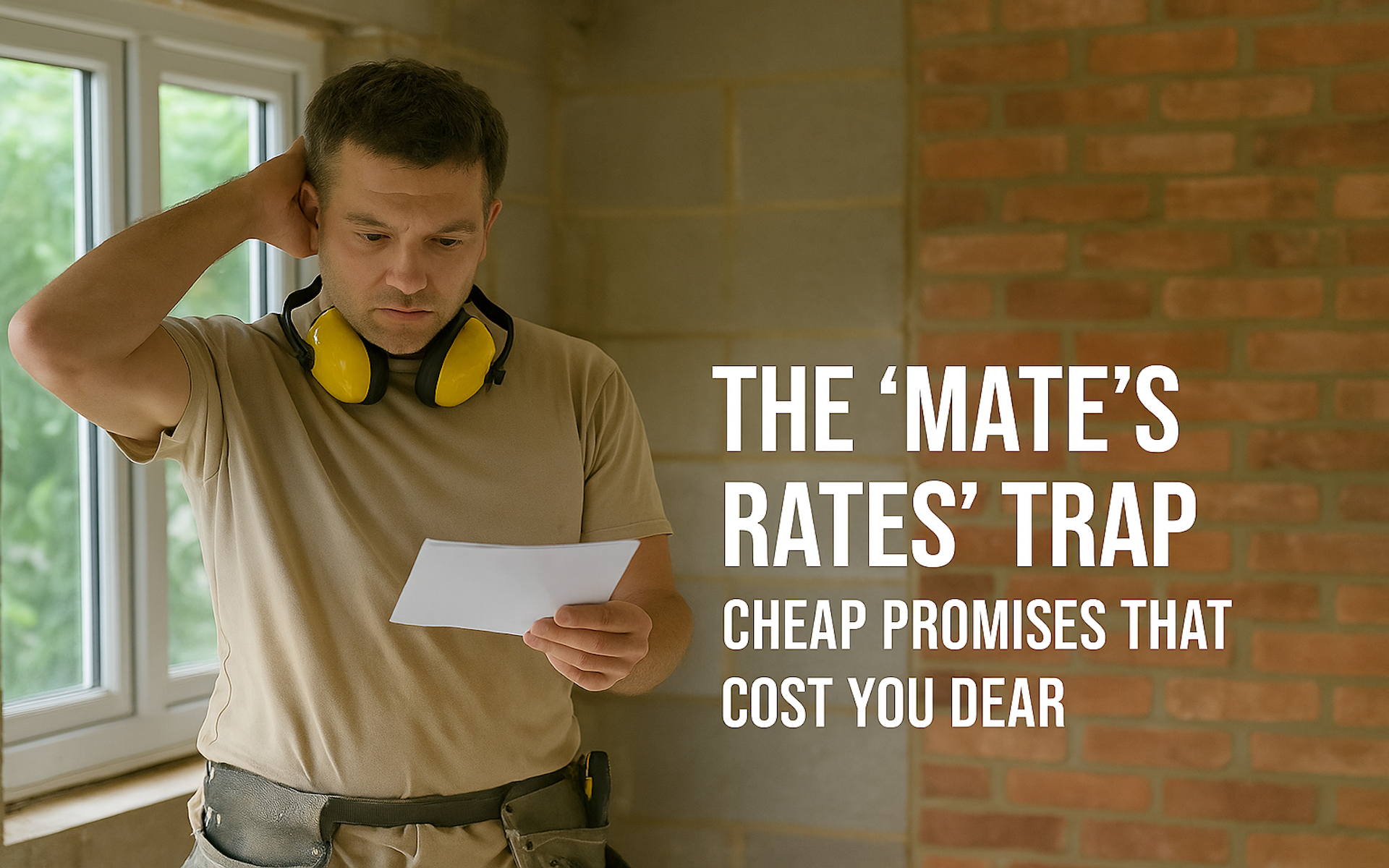
It always starts the same way — you get a quote that’s hundreds, maybe thousands cheaper than the rest.
The builder sounds confident, friendly, and “keen to get started.”
You think you’ve found a bargain.
But what you’ve really found… is a phantom quote — a trap that’ll cost you far more in the end.
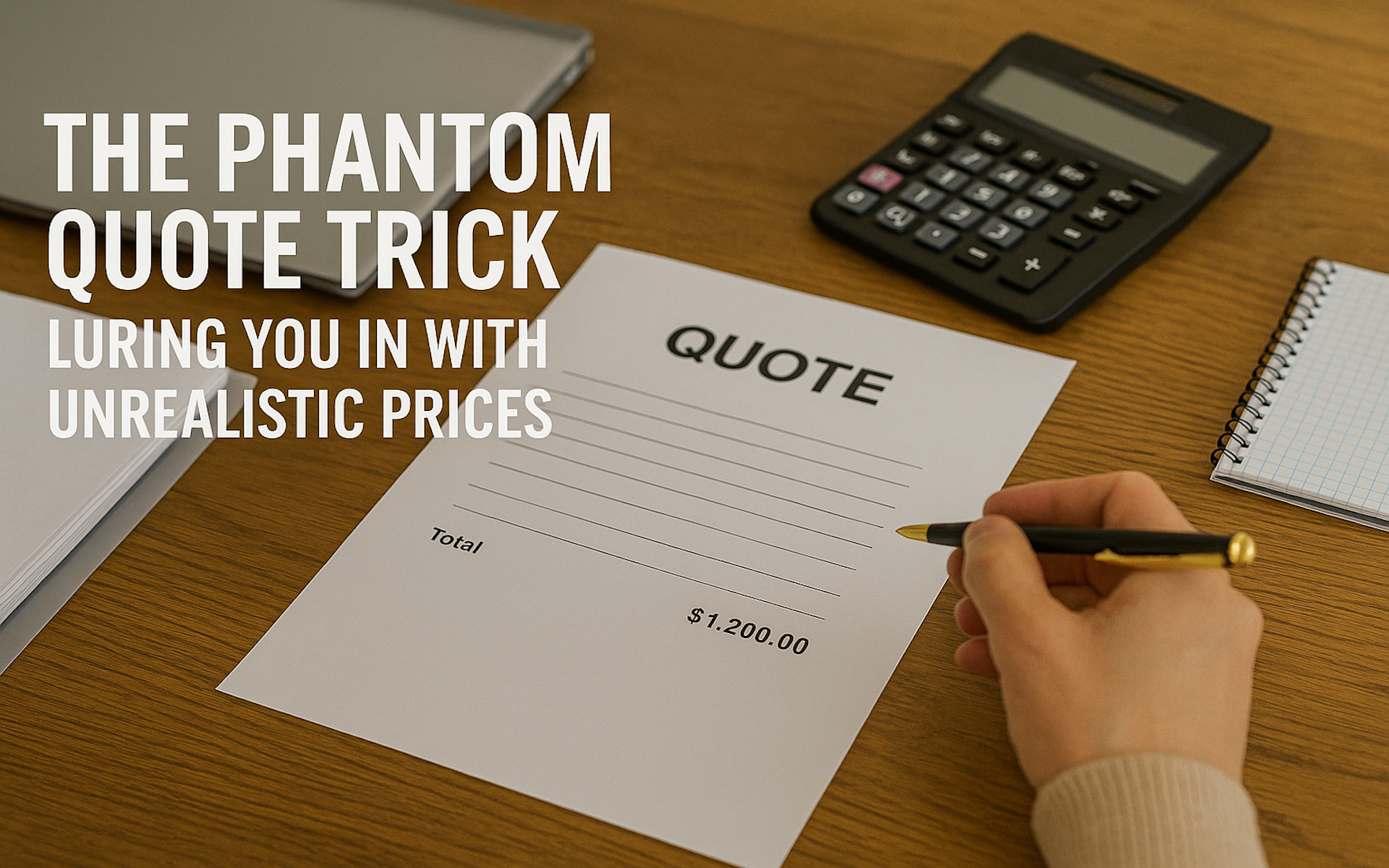
How the Phantom Quote Trick Works
Rogue builders use too-good-to-be-true pricing to win your trust fast.
They undercut the competition to get the job — and once you’re hooked, the price starts creeping up.
Here’s how it plays out:
-
The “cheap” quote leaves out essentials like scaffolding, waste removal, or insulation.
-
Halfway through, they “discover” hidden costs.
-
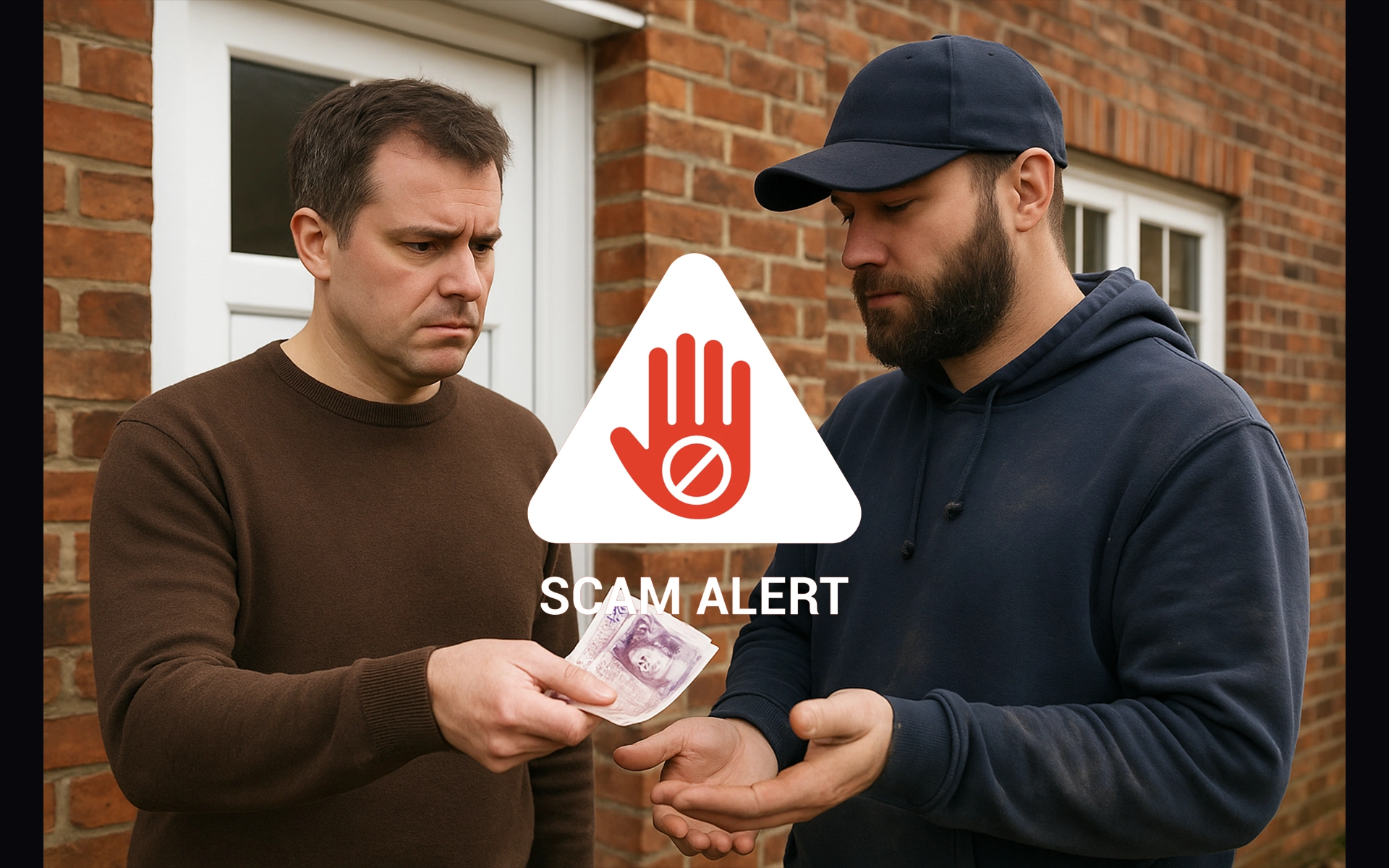
Suddenly, you’re pressured into paying more or risk being left with a half-finished job.
And if you refuse? They walk — taking your deposit and your progress with them.
Expert Opinion
The Warning Signs
🚩 Their quote is far cheaper than everyone else’s
🚩 The quote is vague or missing itemised details
🚩 No written breakdown — just a total price scribbled on paper or text
🚩 They rush you to “book in before the price changes”
🚩 No mention of compliance, Building Control, or certificates
Cheap up front usually means cut corners and big bills later.
What a Genuine Quote Looks Like
✅ Fully itemised — materials, labour, and extras clearly listed
✅ Includes compliance and inspection costs
✅ References timelines, payment stages, and guarantees
✅ Matches other quotes within a reasonable range
If one quote looks wildly cheaper, there’s a reason — and it’s never a good one.
How to Protect Yourself
✅ Get at least three written quotes for comparison
✅ Ask detailed questions — “Does that include Building Control fees?”
✅ Check references and insurance before signing
✅ Use verified professionals via Check A Builder
✅ Never pay large deposits upfront
Transparency is the biggest sign of a genuine builder — and the biggest fear of a rogue one.
Bottom Line
The cheapest quote often becomes the most expensive mistake.
A phantom quote isn’t about saving money — it’s about losing it slowly.
So before you jump at a bargain, ask yourself one question:
If it sounds too good to be true, why is it?
Subscribe to Our Newsletter
Keep in touch with our news & offers