You’ve finally reached the end of your building project. The dust has settled, the builders have packed up, and you’re ready to enjoy your new extension, loft, or renovation. But before you pop the kettle on — stop right there.
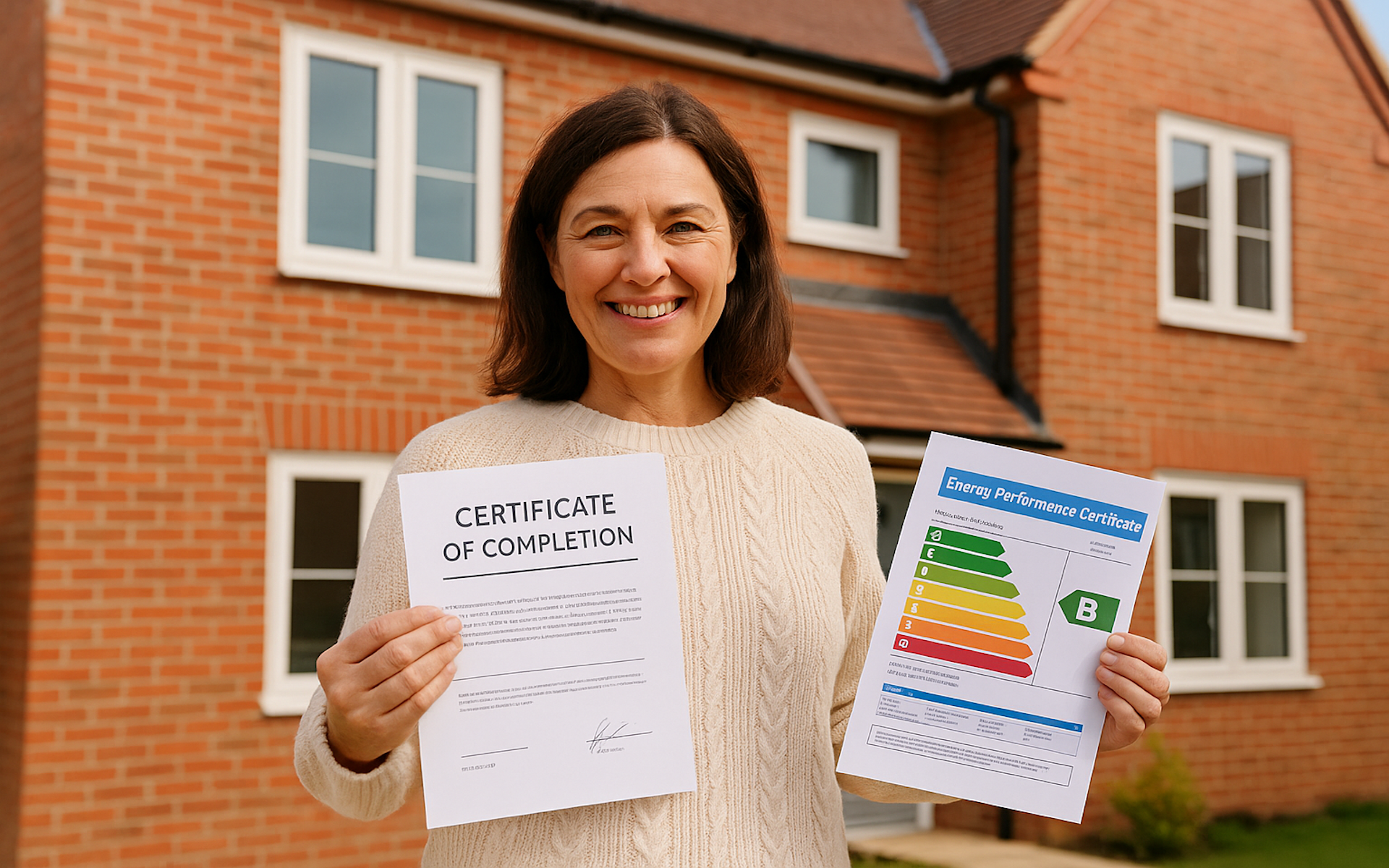
Because this is exactly where rogue builders strike again.
They vanish without handing over the vital certificates and compliance documents you need — the ones that prove your work is legal, safe, and signed off. Without them, you could be sitting on a ticking time bomb.
Let’s spell it out.
Why These Certificates Matter
Once the work is finished, you should receive documents that confirm:
The work meets Building Regulations
All electrical and gas work is certified by qualified professionals
Any structural changes have been inspected and approved
Products like windows and boilers are registered and warranted
Without these, you don’t just risk safety issues — you risk losing thousands when you try to sell your home. No buyer or solicitor will touch a property that’s missing compliance certificates.
Common Certificates You Should Expect
Here’s what every homeowner should have before signing off the final payment:
✅ Building Control Completion Certificate – Issued by your local authority or approved inspector confirming the work meets regulations.
✅ Electrical Installation Certificate (or Part P Compliance Certificate) – Proves electrical work was done safely by a registered electrician.
✅ Gas Safe Certificate – Confirms that gas appliances or boilers were fitted by a qualified Gas Safe engineer.
✅ FENSA or CERTASS Certificate – For replacement windows or doors; shows they comply with building regulations.
✅ Guarantees and Warranties – For roofing, damp proofing, boilers, or specialist work. Ensure they’re in your name, not the builder’s.
✅ As-Built Drawings & Test Reports – Especially important on larger projects for future maintenance or insurance claims.
How Rogue Builders Use This to Scam You
Here’s the ugly truth: many rogue builders disappear before certification because they never followed the regulations in the first place.
They’ll tell you:
“You don’t need that, it’s just paperwork.”
“I’ll send it in the post next week.”
“The council don’t bother with that anymore.”
All lies.
If you fall for it, you’re left with:
Work that can’t be signed off
No proof of compliance for insurance or resale
Potential legal action if something goes wrong
And worse still — you’ll have to pay again to get retrospective certificates or remedial work done.
How to Protect Yourself
Before work starts, make sure your contract clearly states which certificates will be provided at completion — and by whom.
Here’s how to protect yourself step-by-step:
Use accredited tradespeople. Check they’re registered with Gas Safe, NICEIC, FENSA, or the relevant body.
Ask for sample certificates before you agree to hire. If they can’t show examples, that’s a red flag.
Don’t make the final payment until you have every required certificate in your hand.
Keep copies of all approvals, guarantees, and test results safely filed.
Verify certificates online. Most can be checked through the issuing body’s website.
If You’ve Already Been Caught Out
If your builder has vanished without providing paperwork:
Contact your local Building Control department — they may offer retrospective sign-off (for a fee).
Check if the builder was registered with a self-certification scheme — you might still be able to get replacement certificates.
Report the builder to Trading Standards or through Check A Builder to warn others.
Bottom Line
Finishing your build isn’t the end — it’s the final checkpoint.
Never assume compliance comes automatically. Demand your certificates, verify them, and don’t release that last payment until you’re holding the evidence.
Because once the builder’s gone, chasing paperwork is like chasing smoke.
Subscribe to Our Newsletter
Keep in touch with our news & offers