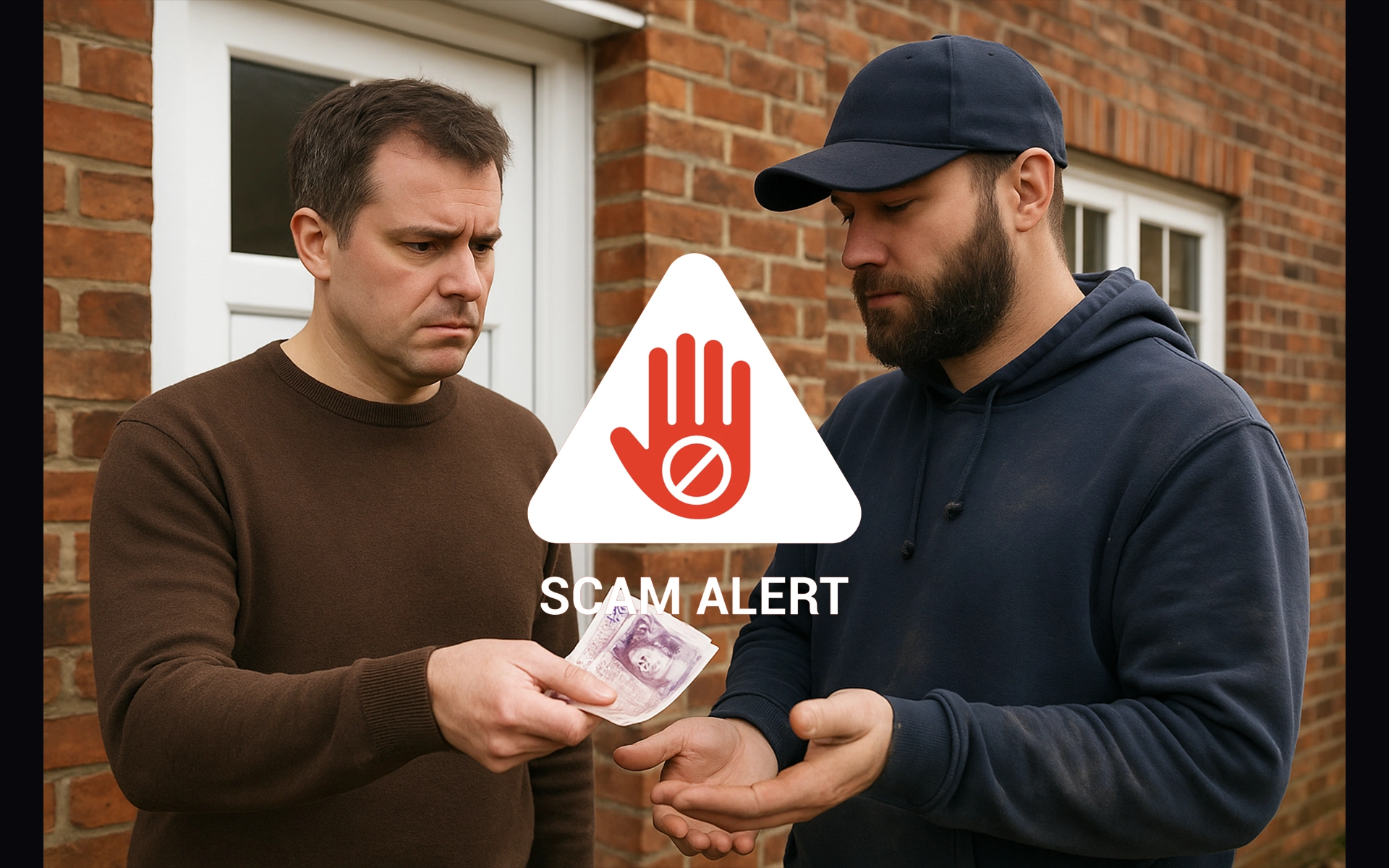
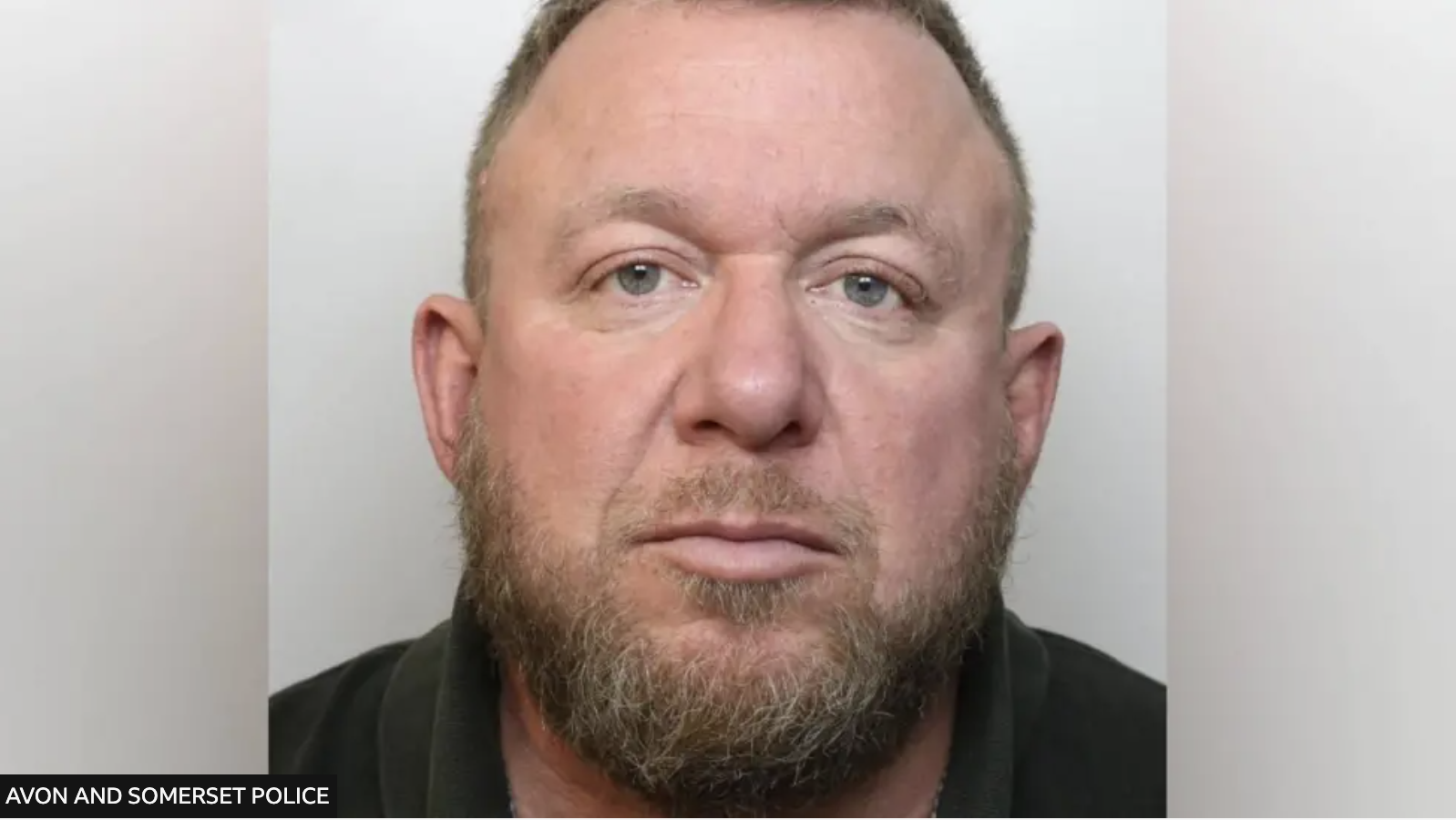
A builder described as “one of the most prolific rogue traders ever dealt with” has been found guilty of defrauding homeowners out of more than £1.25 million.
Mark Killick, 56, of Shoe Lane, Paulton, Somerset, operated under multiple names — including Marc Cole and Mark Jenkins — taking on building projects across the West of England between June 2020 and November 2021.
At Bristol Crown Court, Killick was convicted of 37 counts of fraud after a months-long trial. He was cleared of one count, while the jury failed to reach verdicts on eight others. It is his fourth fraud conviction since 2008.
Why You Need It
Without a written agreement, you’ve got no proof of:
What’s included in the price
When payments are due
Who’s responsible for materials, waste, or compliance
How long the work should take
When things go wrong — and they often do — you’ll have nothing solid to fall back on.
What a Proper Contract Should Include
✅ Detailed scope of work – what’s being built, what’s excluded
✅ Start and finish dates – with allowance for agreed changes
✅ Payment schedule – linked to progress, not promises
✅ Responsibilities – who’s handling Building Control, health & safety, and certificates
✅ Change process – how extra costs or delays are agreed
✅ Signatures – both parties, dated
A quick quote or WhatsApp chat doesn’t count. You need something formal, clear, and signed.
Why Rogue Builders Hate Contracts
They hate them because contracts kill their excuses.
Once it’s in writing, they can’t overcharge, delay, or walk off mid-job without you having legal recourse.
No contract = no control.
And that’s exactly how they like it.
Bottom Line
A proper contract turns promises into protection.
It’s the difference between a professional build and a rogue operation.
If your builder refuses to sign one, that’s all the warning you’ll ever need.
Subscribe to Our Newsletter
Keep in touch with our news & offers